Body moisturisers for post treatment skin

Hi guys,

Today I’m sharing with you favourite body moisturisers for when your skin is beyond dehydrated from treatment, and it becomes patchy, flakey, and looks like scales.  It’s depressingly unsexy.

I won’t preach about hydration from the inside; we hear it from the doctors all the time….snooze…..we know, we know, ‘drink water’.  Drinking water helps with most treatment side-affects but it’s not enough.  I say blast hydration from all angles, inside and outside.  And with the outside, layer it up, smother yourself with as much moisturiser as you can, head to toe, for as long as your skin needs to feel healthy again.

Thank you to The Cancer Style Guide Panel and Instagramers for helping compile this list, here are some of our favourite creams, oils and lotions:

Picture 61Weleda – Sea Buckthorn Body Oil / Cowshed – Grumpy Cow / Burt’s Bees – Fragrance Free Shea Butter and Vitamin E Body Lotion / bamford – Botanic Body Oil / bamford – Botanic Nature Balm / Korres – Santorini Vine Body Milk

Picture 59sukin – Hydrating Body Lotion/ Aesop – Geranium Leaf Body Balm / Aesop – Rind Aromatique Body Balm / Green People – Fragrance Free Hand and Body Lotion  (Vegan) / Fushi – Coconut Oil (Vegan) / Green People – Nurture Body Lotion (Vegan)

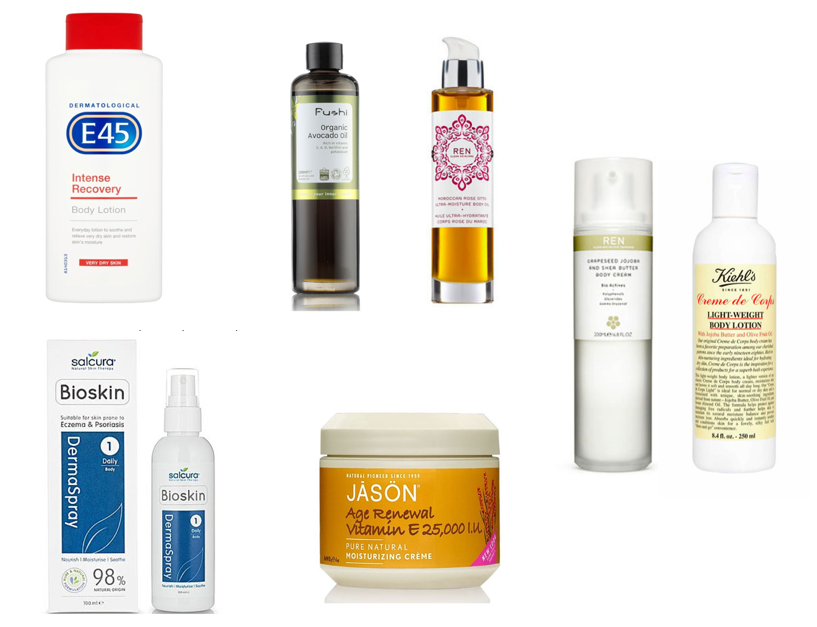
Picture 66E45 Intense Recovery (For Eczema) / Fushi – Avocado Oil / Ren – Moroccan Rose Otto Ultra Moisture Body Oil / Ren – Grapeseed Jojoba and Shea Butter Body Cream / Kiehl’s Creme de Corps / Salcura – Bioskin (For Eczema & Psoriasis) / Jason – Age Renewal Vitamin E

Please note, Neil’s Yard and Aromatherapy Associates are trusted natural brands offering wonderful moisturising oils and creams, however didn’t make the cut this time due to the smell potency of their products.  They’re great for later stage of recovery but not for the early stages, when you tend to be smell sensitive.

Moisturising tips:

  • No hot baths and showers, hot water dehydrates the skin even more.
  • Exfoliate when you have the strength and energy (see post below on dry brushing), to help sweep away the barrier of dry skin and allow the moisturiser to penetrate better.
  • Layer up the moisture, start with moisturising soaps and bath soaks.
  • Pat dry with a towel, and apply the moisturiser to your skin when damp (not completely dry), to help lock the water into the skin.
  • If you are smell sensitive or have rashes, opt for fragrance free products which won’t aggravate your nose or skin.
  • After application, give yourself several minutes before dressing.  Let the skin absorb as much of the moisturiser as possible, undisturbed. This is especially important if you’re using a body oil.

Lastly, if you’ve developed eczema or psoriasis during treatment or due to stress, E45 and Bioskin (shown above), are recommended by sufferers.  If your condition is bad or continues for a period of time, don’t suffer in silence, speak to your GP and ask for a referral to a dermatologist.  You may need a short course of medicated treatment before switching to shop bought products.

Happy health,

Lulu x

Pursuit of a toxin free lifestyle

For me, this lifestyle is all about self love.  Giving my body the absolute best I can for long term health and happiness”. 
flower

I was asked recently why I decided to pursue a toxin free lifestyle.  So, before I open my beauty bag and cleaning cupboard to you over a series of new posts, sharing recommended toxin-free products, I thought I’d give you an introduction as to the why, what and how.

As a cancer survivor, I’m sure this isn’t the first time you’re hearing about someone else’s decision to live toxin free.  I’m also sure you were bombarded with crazy articles and conspiracy theories from friends, which scared you using anything and everything in your home.  Everything from loo paper to toothpaste is going to kill you according to the internet.  If you look hard enough, you will find an article from someone ‘credible’ linking everything to cancer.  It’s even scarier reading this stuff when you’re in the middle of the cancer fight.

There is some truth behind some of these stories.  There are chemicals out there in the everyday products found in our homes, that are classified as carcinogenic which are linked to cancer, endocrine disruption, reproductive toxicity, immunotoxicity, neurotoxicity and allergies.

If you want to read more about carcinogenics: http://www.cancer.org/cancer/cancercauses/othercarcinogens/generalinformationaboutcarcinogens/known-and-probable-human-carcinogens

The good news is, if you want to start eliminating toxins from your life, you can.  It’s daunting, frustrating, and it takes a while, but we’re lucky enough to live in a day and age to have alternatives.

My journey……
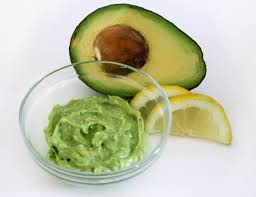
avoOne of my favourite childhood memories was watching with intrigue and amazement as my dear dad washed his hair with weird and wonderful kitchen-found products.  There were lemons, olive oil, beer and eggs…not all together, obviously.  And the only way I was ever allowed to use face masks as a teenager was to learn recipes to make them myself….queue, an increase of avocados on mum’s shopping list, not an easy all-year-round find back in the early 90’s.

We grew up in a family that mixed natural methods alongside regular products found in the supermarket.  It’s the same story with household cleaning products, our grannies taught us the powerful benefits on lemons, vinegar and bicarb and we used them alongside Persil, Flash and Mr.Muscle.

That being said, over the years, the preference for convenience, big promises and pretty packaging won over the traditional non-chemical approach learned in my youth, and my adult cupboards became full of toxins and chemicals.

Fast-forward 20 odd years later.

Within days of being diagnosed with the Big C, I had a treatment plan.  I needed an aggressive cocktail of different chemo drugs to shrink the tumour by 15-20% for surgeons to operate.  We have to remember treatment is a choice, and having already seen Steve Jobs waste precious time with natural alternatives on his NET pancreatic tumour, I chose to proceed with pumping my body full of nasty toxic chemicals, knowing I had a small window of opportunity to attack the tumour.  I believe in modern medicine and science as much as I believe in natural remedies – there’s a time and a place for both.  I don’t believe they are mutual exclusive choices either; they can work just as successfully, if not better, hand in hand along the way, through treatment and recovery.
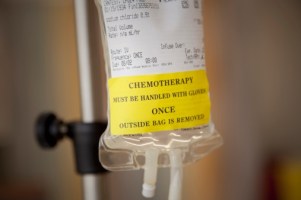
chemotherapy-drugsHaving chosen the chemotherapy road, I decided to make some lifestyle changes along side it and give it all I had. One of those changes was cleaning up my act and reducing the number of toxins I was putting in my body aside from drugs.  Limiting the carcinogenics going into my body, so it could work at its optimum strength to fight the cancer already there.  That was my approach, and not something that was medically backed by the doctors.  Considering how we were raised, turning to toxin-free products and home-made potions felt like the completely natural thing to do.

I remember my sister Georgie kicking things off, calling me in that first week to say she was coming over to pick me up – we were going ‘toxin-free shopping’ at Planet Organic. Whoop! I loved shopping back then.  Whilst waiting for her to come over, I got out a black bag and binned all the washing powders, liquids, sprays and detergents from under the sink.  That was fun and easy peasy.  Then I got to the bathroom cupboard; that bit wasn’t so.  I looked lovingly at all that pretty packaging I mentioned earlier, doing a mental tally of how much those trips to Space NK totaled, sat on the bathroom floor and wept.  How was I going to replace all these gorgeous lotions and potions?  I loved the idea of going clean but I’d spent a lifetime finding the right curling crème for my ringlets, the right moisturising shampoo for bleached damage hair, and the moisturisers and perfumes that made me smell of wild jasmine nights.  How? How was all this stuff going to be replaced?  It was bad enough having chemo, but now I was giving up all the magic products that made me look and feel like me.

I huffed and puffed (and perhaps stomped a little) for the 10-minute drive to Planet Organic. Poor Georgie. She ever so patiently tried to convince me the shelves were stacked with shiny new high performing clean products.  All I could do was remember the smelly, ugly bottled beauty products that lined the shelves in the 90’s health stores.
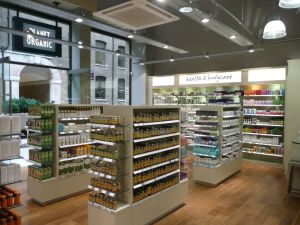
PO.jpgI silently walked around Planet O (I go quiet when I’m really mad), Georgie excitedly showing me the new health store of the naughtiest, whilst I dragged my feet thinking of my empty bathroom cupboard.  As we turned the corner into the beauty aisle, my heart skipped a beat. What was this?  This wasn’t the health store beauty aisle I remembered. This was a beauty aisle I recognised!  Brands and products I already knew and loved, not realising they were clean and green. This was high-end pretty packaging-ville.  Oh hurrah!  There were no compromises or second rate products here.

We forked out a fair bit to get the staples.  To ease the financial and emotional pressure, we decided to start with the basics and find alternatives for all the other products over time.  We started with; shampoo, conditioner, body soap, hand soap, face moisturiser, body moisturiser, deodorant and toothpaste.

With only the exception on bleach, all the other cleaning products were replaced in the house.  I kept the bleach at the back of the cupboard for emergencies, but that’s since gone too.

Replacing kitchen sprays is straightforward, we’re not as attached to them as we are our shampoo.  However, when it came to personal grooming products, I didn’t fall in love with everything I first tried – but hey, you gotta start somewhere.  There were times I got frustrated, and stressed at not finding ‘clean’ replacements that were high performing or to my taste.  With stress itself being a toxin, I decided to relax, and revert to my old products until I found a good clean alternative to take over.  Once I took the pressure off to do everything in one go, it became a nice adventure amidst the hospital appointments, and over time I’ve slowly found the products that best suit my needs and home.

I’ve seen such evolvement in this area, with regular brands cutting out naughty chemicals, as well as the cleaner alternatives becoming easily available and cost comparative.  You’ll be surprised how much easier it is to find cleaner and natural brands.

My cupboards are pretty much toxin free now and I love it, I wouldn’t go back to the beauty cupboard I cried over years ago.  However, I’ve stayed relaxed about the whole thing, and still happily turn to high performance products every now and then, when a bit of extra help is needed.  Especially in the early days of recovery, when let’s face it, we need a lot of help to get our outsides back to where we want them to be.

Examples of this; I may have a carcinogenic free toothpaste for long term use, but used a few months worth of whitening strips after being bed bound for the best part of a year, and needed to get my pearly whites back to smiling standard.  And don’t get me started on deodorants, there weren’t any natural ones out that could deal with the hormone flushes, so I stayed with Mitchum until they stopped and could comfortably switch to something more natural.

Going clean all in one go is a costly and exhausting exercise, treatment and recovery is hard enough.  My advice is to take it slow, enjoy the ride, and don’t put too much pressure on yourself.  Let the people around you know what you’re doing, so they can help with gifts and recommendations.  Talk to shop assistants and the girls at the beauty counters, they’ll give you great free advice and often samples.  Watch this space and Instagram for recommendations, and soon I’ll be launching an exciting project to help bring you the best products out there straight to your homes.

MEAlthough I’m now cancer free, and treatment is well and truly finished, I continue to pursue a toxin free lifestyle.  Why?  Well, I want to stay healthy and keep the cancer at bay for as long as possible, and my part in that starts with how I treat my body. For me, this lifestyle is all about self love.  Giving my body the absolute best I can for long-term health and happiness.  And on a separate note, but a really important one to raise. Toxins and chemicals feed (CRF) fatigue, a side-effect of cancer therapy, and something I’ve been struggling with.

My body is getting stronger, my gastric system healthier and fatigue better under control.  I attribute that to the lifestyle I’ve been building and a big part of that is living toxin free.  

Toxins to our bodies are not only constrained to products found in bottles, the wrong food and stress can of course be just as toxic.  You’ll find once you start going down this path, you’ll become keen to live cleaner in those areas too.  It’s a snowball affect, it feels so good and healthy, that it’s hard not to want to continue making changes everywhere.  It doesn’t have to be drastic, you don’t have to give up work, turn into a raw food eating vegan and live on a farm.  Again, there are ways to start reducing toxins in all areas of your life, as you continue living exactly where you are.

Living a clean lifestyle for me has been, and still is a slow burn.  Changing over 30 years worth of habits and tastes in one go would have been an impossible task.  But as you start adding the good stuff, the bad stuff starts falling away from your life quite naturally. 

There are loads of ‘detox your body’ / ‘detox your life’ programmes out there, apparently you can do it all in 30 days, 10 days etc.. etc.  Maybe some people can, but I’ve yet to see anyone in the real world do this and keep to it successfully.  As soon as you get back to your real life, or come up against real life challenges, it is scientifically proven that we revert back to old and familiar habits.  The idea is to be clever and create a new normal, one habit at a time, reprogramming your neurological patterns.  I refuse to believe you can change a whole lifetime of eating, shopping, living and working habits in one go or 30 days.  It takes time, work and dedication. But with a relaxed attitude and an appetite for the new, it’s a fun road to take and the benefits make it worthwhile.

I encourage you all, survivor or not, to make the decision to change.

Happy health,

Lulu x

Bathing Beauty: Salts by Dresdner Essenz and PEG Emulsifiers

xBldGN2KQ25Wov1H2PUTCNsabHECO3gn11Gy9a_fG3yxmvjvyN2v8ZsSXnjEVVbQwn7BbetPdStNfRKcHULp4Iq4GkQ=w886-h365

I like to think we all excite by the discovery of something new.  Sometimes little discoveries can be found right on our doorstep, as was the case with a little trip to my local pharmacy.

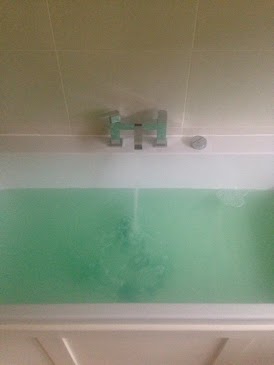
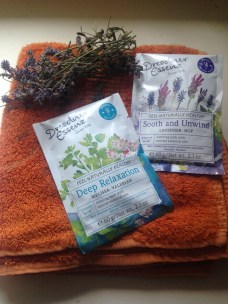
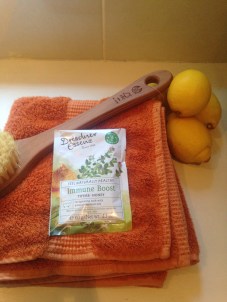
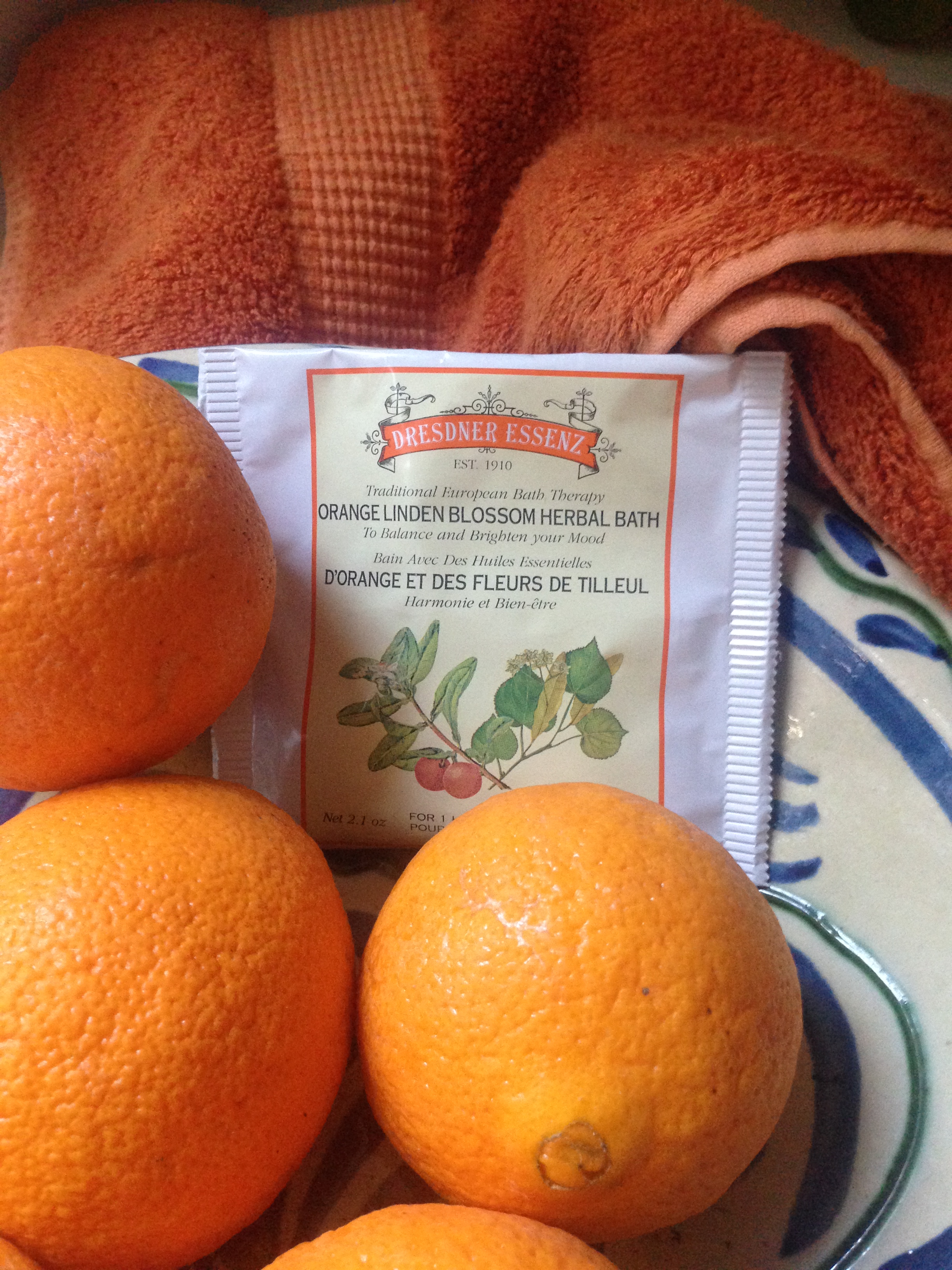
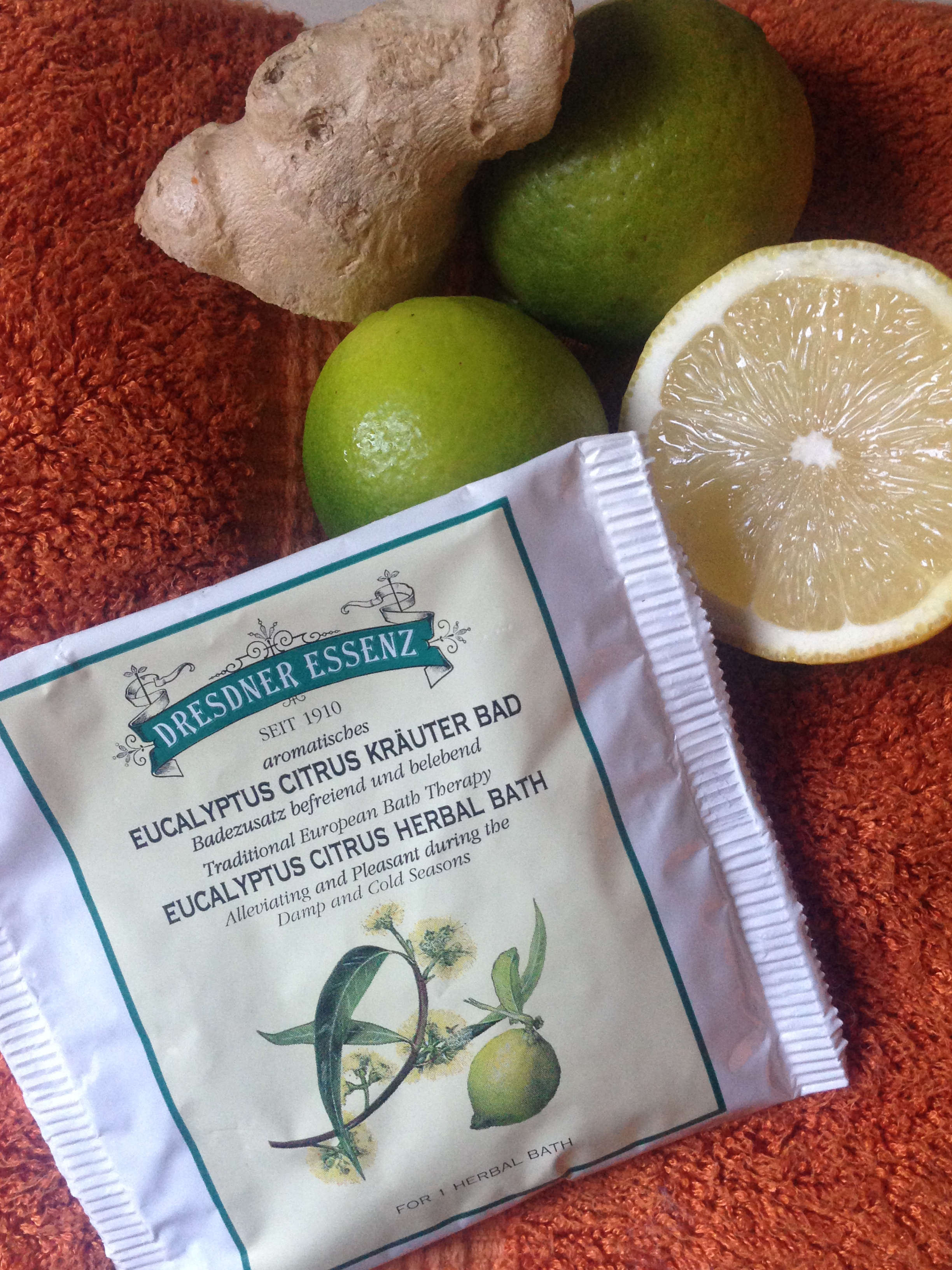
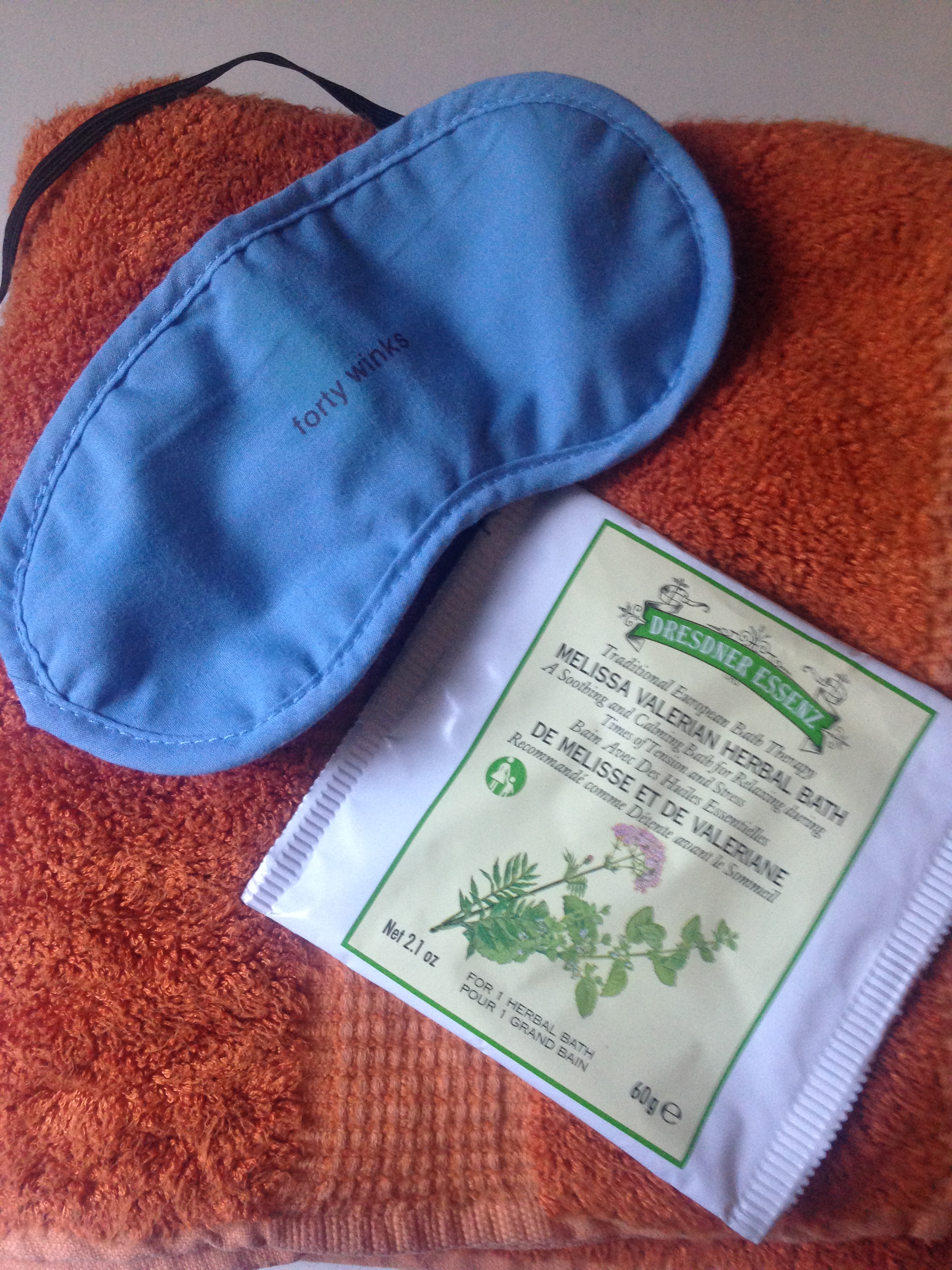
My latest find is a holistic German brand called Dresdner Essenz, and it’s affordable bath salt sachets.  Made up of a base of sea salt and magnesium sulphate (remember the epsom salts from my previous post?) with added plant extracts to offer us an extra health boost.  I bought a little selection for the winter months:

For soothing baths to help sleep and de-stress: 

  • Deep relaxation: Melissa & Valerian, including Lavender
  • Sooth and Unwind: Lavender & Hop, including Valerian

Invigorating baths to help boost your immune system

  • Immune Boost: Thyme & Honey, including Eucalyptus

2014-11-01 15.03.042014-11-01 14.57.12


The pictures above show the new packaging used by this brand.  At the time of shopping, I purchased a mixture of what I thought were just the old and new packaging, liking them both.

Old packaging:

2014-11-01 15.20.182014-11-01 15.25.332014-11-01 15.27.16

However when I got home and looked at them more closely, I realised that the old packaging was also an older blend, and include PEG emulsifiers.  The new packaging signifies a new recipe with natural emusifiers, replacing the silicon PEG variety.

I keep a beady eye on ingredients in health, beauty and home products.  Where I can, I will choose to avoid as many artificial chemicals as possible – many are carcinogenic and on a day-to-day basis feed fatigue.

Not all my products are ‘clean’ (yet!), but I’m nearly there.  It takes a while to find good clean substitutes for some of the products you have used and loved your whole adult life.  There is great innovation and variety now-days, that it doesn’t feel like a compromise to go clean, you just need a little patience and sense of discovery.  So the older sachets are destined for the bin, if unable to be replaced by the pharmacy.

PEG Emulsifiers

Emulsifiers are used in mixtures to bind other ingredients, and they often have their own benefits to the recipe above being the glue.  PEG emulsifiers are a silicon variety found in make-up and beauty products, detergents and paper to name a few.

One of the easiest articles I’ve found to read on this is by The Ecologist: http://www.theecologist.org/green_green_living/behind_the_label/269662/read_the_label_emulsifiers.html

cross imageFrom their article, I have lifted a list of the naughty toxic emulsifiers to avoid:

Carbomer
L PEG-40 sorbitan peroleate
Carboxymethylcellulose
PEG-150 stearate
Ceresin (aka mineral wax, Ozokerite)
Diethanolamine (DEA)
Isopropyl stearate (laurate, palmitate, oleate etc)
Polysorbate 20
Polysorbate 60
Polysorbate 80
Potassium hydroxide
Propylene glycol
PEG compounds, eg:
PEG-8 myristate
PEG-30 glyceryl cocoate
PEG-80 glyceryl cocoate
PEG-15 soyamide/IPDI copolymer
Sorbitan stearate (laurate, palmitate, oleate etc)
Steareth-20
Triethanolamine (TEA)

photoxpress_tickAnd the natural non-toxic variety:

Beeswax
Candelilla
Carnauba
Cetearyl alcohol
Cetearyl wheat bran glycosides
Cetearyl wheat straw glycosides
Decyl glucoside
Jojoba
Lecithin
Quince seed
Rice bran wax
Sucrose cocoate
Vegetable glycerin
Xanthan gum

The new Dresdner Essenz sachets are PEG free, so keep an eye out for them for a winter treat or a lovely postable gift at Christmas.

Happy health,

Lulu x

Lets talk about spots, baby.

I woke up today with a whopper spot on my nose (I’ll spare you a photo on this occasion), which reminded me, I promised you a post on how to read facial spots, commonly known as ‘face mapping’.

Stuff going on inside us will eventually start showing on the outside. Learning to read these signs helps us identify which organs are distressed and need a bit of TLC at that moment in time.

Acne face mapping stems from Chinese medicine and developed by dermatologists over years.  This is to be used as a guideline only and may not apply to everyone in every instance.  If for example you get a spot by your ear lobe, it doesn’t necessarily mean there’s something wrong with your kidneys.  There are other factors that could be responsible, for example, skin care products, make-up, make-up brushes, hygiene, hormones, allergies, medications and genetics.

For me, most of the past few years were a case of connect the spots, and as long as my body needed help healing inside, there wasn’t any magic cream or procedure that could fix the outside. There are however cheat products to help you ‘fake it till you make it’, which I will share with you over time.

Now that my body is absorbing nutrients again, it’s showing in my face.  But as soon as I take my foot off the gas or start to feel run down, like this week, it’s right there in the mirror.

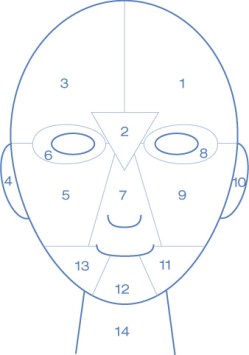
facemapThis is a face map and an outline of what it means when we experience an outbreak within each zone, especially if re-occurring.  I have gone on to give top-line advice on foods and tips to help.



Zones 1 and 3 : Bladder and Digestive System

Breakouts around the forehead could indicate that your digestive system is struggling to breakdown food being consumed.

Zone 2 : Liver

This could indicate food intolerance’s or a distressed liver.

Tips for zones 1, 2, 3 and 12.

intestines

  • Cut out / reduce your alcohol consumption as much as possible.
  • Please also cut out fizzy drinks, they are pure poison and offer no benefits.
  • Reduce too many dairy products. Switch to skimmed / semi-skimmed milk or have some fun trying dairy free alternatives: Oat milk / Almond milk / Rice milk / Coconut milk / Soya milk.
  • Reduce refined sugars as much as possible.
  • Drink plenty of water to flush out toxins.
  • Replace as much of your caffeine as possible with herbal teas.
  • Try and cut out junk food and fast food from your diet as much as you can: fatty foods, like burgers and chips, are harder to digest. By reducing these types of foods, we’re offering our digestive system an easier time as it won’t have to work as hard.
  • If, like me, the spots are part of a bigger digestive problem, speak to your consultant / doctor for recommended pro-biotics.  But please stay away from the pro-biotic drinks found in supermarkets offering big claims (which they don’t deliver) and way too much sugar.
  • Do a little bit of light exercise every day or every other day. Even if it’s a walk around the block, the fresh air is also another benefit.
  • Practice relaxation / meditation / breathing techniques to alleviate stress and worry.
  • Foods that help the digestive system: The two things that helped me the most and advised by medical professionals were natural yoghurt’s, which offer natural pro-biotics (avoid the ones loaded with sugar and flavouring, it’s better to add your own fruit and honey) and secondly fresh mint. Other foods for healthy guts are beans and pulses for much needed fibre, oily fish like salmon / mackerel and ginger,
  • Foods that help the liver: Let’s start with my personal favourite, beetroot, yum! And in no particular order, tomatoes, spinach, carrots, grapefruit and all other citrus, dark greens, turmeric, cruciferous veg (broccoli, cauliflower, sprouts, kale), garlic, walnuts, avocados, apples and green tea.

Zones 4 and 10: Kidneys

If you get spots around the ears, including the lobes down to the jaw line, make sure you are drinking enough water and reduce the amount of dehydrating beverages you’re consuming, such as coffee or fizzy drinks.
Tips for zone 4 and 10.
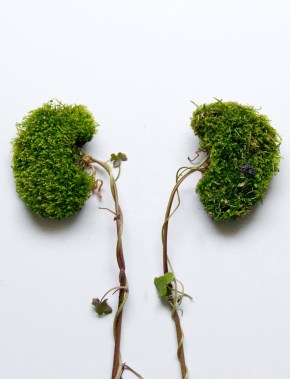
kidneys
  •  Lots and lots of water, unless you have kidney disease,  in which case you may not need as much, because damaged kidneys cannot get rid of extra fluid as well as they should. Your doctor will be advising you on your water intake in this situation.
  • Reduce your salt intake.
  • Foods that help the kidneys: Lemon juice (I try and have half a lemon in hot water every day as a matter of course), apples, pumpkin seeds, all the berries, ginger, watermelon, turmeric, dandelion, nettle, marshmallow root and lastly, one of the biggest helps to our kidneys is parsley.


Zones 5 and 9:  Respiratory System and Allergies

Tips for zones 5 and 9.

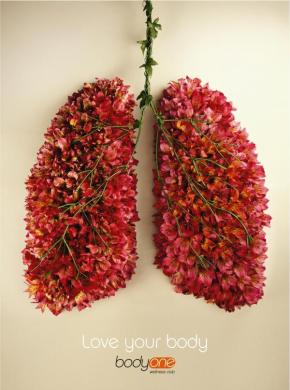
lungs

  • As mentioned before, avoid fast food, junk food and refined sugars.
  • Get some fresh air.  Our lungs are at their strongest between 7-9am, so this is the best time for that little walk.
  • If you’re smoking, think about quitting.  It may have been too big a feat to quit during the fighting stages. One thing at a time, and now’s a good a time as any. Recovery is as about moving forward and leaving behind our unhealthy habits.
  • If you’re prone to allergies, avoid shellfish, eggs, peanuts and red wine.
  • Reduce too many dairy products. Switch to skimmed / semi-skimmed milk or have some fun trying dairy free alternatives: Oat milk / Almond milk / Rice milk / Coconut milk / Soya milk.
  • Foods that helps the lungs: apples, garlic, flax seeds, chicken soup, green tea, cruciferous vegetables (broccoli, cauliflower, cabbage, kale, sprouts) ginger and wheatgrass.

Zones 6 and 8: Again, the kidneys

Dark circles can be an indication of dehydration. Cut back on the caffeine and up your water intake.

Zone 7: Heart

Check your blood pressure, either at home, or free at the local pharmacy.  If that’s OK it could be something less serious like vitamin B levels or make-up / heavy creams. The pores on our nose tend to be bigger then elsewhere on our face and more prone to clogging.

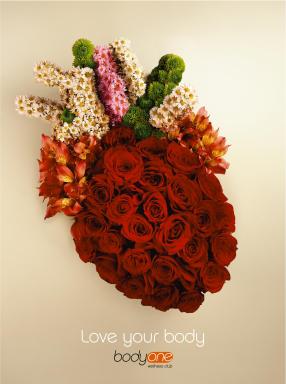
HeartTips for zone 7:

  • Decrease your intake of spicy foods.
  • Cut down on meat.
  • Get some fresh air.
  • Foods to lower cholesterol: Replace “bad fats” with “good fats” such as Omegas 3 and 6 found in nuts, avocados, fish and flax seed.


Zone 12: Stomach

This may be an indication that you need to increase fibre levels in your diet. See above.

Zones 11 and 13: Hormones

Part of the joy of monthly menstrual cycles I’m afraid. You may be able to reduce hormonal breakouts with some of the tips below during the week leading up to your period.

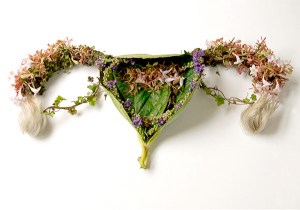
PP-Flower-Plant-Organs-UterusTips for zones 11 and 13:

  • Try to regulate sleeping patterns, which I appreciate is near impossible for a long time after treatment.
  • Increase meditation therapy techniques, whether it’s yoga, meditating, listening to music, writing, painting.
  • Massage your body for relaxation, particularly the abdomen.
  • Foods that help with hormones: Omega-3 rich foods (salmon, mackerel, walnuts, flax seeds, sardines, soy beans), coconut oil and other coconut products, avocados, egg yolks, nuts and seeds, dark green veg, starchy veg (sweet potatoes, squash, beetroot, artichokes, butternut squash,turnips), turmeric, cumin, cayenne pepper, garlic and ginger.

Zone 14: Illness

Breakouts on the neck tend to be an indication that your body is fighting bacteria to avoid illness.

anatomy-of-plants-3798

Tips for zone 14:

  • There’s not much to do here. Spots along the neck down to the chest are common throughout treatment, illness and recovery.
  • Integrate this whole area in your nightly cleansing and moisturising routine.
  • Don’t try and dry this area out with witch hazel and other astringents, instead, moisturise it with face oils at night after cleansing.
  • Pay attention to daily hygiene.
  • Try and wear lower cut tops when at home to let the skin breath.
  • Oh and try the lurgie drink I talked about last week, this is great at tackling any bacteria connected to colds and flu.


Other causes and general tips:

If your outbreaks are severe and regular, keep a daily food diary to see if it’s related to certain food groups.  Take it along with you to your doctor and ask for a referral to a dermatologist.

Wash make-up brushes, sponges and applicators on a regular basis using tea-tree oil to kill bacteria. Make-up and creams expire, have a little clear out.

Clean phones and mobiles with alcohol wipes.

You’re probably spending a lot of time in bed, try and change your linen more often, especially the flat sheet and pillow cases .  This is a great job to offer those visitors who want to help, as it can be quite a big job on the bad days.

Not only could you be reacting to the lotions and potions you put onto the skin, but also consider your shampoo, conditioner and styling products.

Greasy hair touching the face could lead to spots, use jaw clips and hair ties during periods where washing hair is just too much.  If you’re getting spots along the forehead with a fringe, try pinning it back for a while and see if that helps.

Cleanse / wash your face every night, even if you’re not wearing make-up  or haven’t been outside.

Also, if you’ve taken the advice of the previous post and invested in a hat, this could lead to spots on the forehead with over-wear / bacteria build up. Don’t wear your beanies indoors and clean the inside of hard hats.

Happy health,

Lulu x

Bathing Beauty

I lost patience with leisurely bathing in my 20’s, preferring instead, the shower experience.  Whether that be routine morning washes, or more epic spa sessions in the evening and weekends, including music, tea, loofahs and various nourishing masks.

At my dad’s encouragement, I half-heartedly entertained taking baths during the early chemo days to relax achy muscles, and I have to admit they did work a treat.  However, these soon came to an end after surgery.  It took me about a year to accept the scar across my abdomen, and during that time I avoided being confronted by it.  Showers were easier to cope with emotionally, as I could look ahead and not down at the body I hated.  Then came further body image issues, again, preventing me wanting to spend more time then necessary looking at myself.  Grooming became a hygiene and functional routine; all romance around pampering had gone.

Fast forward, and a lot of therapy later, I’m back to enjoying and indulging my new body.  Part of that is getting back into the ritual and benefits of bathing.  As we approach winter, this seems like the perfect time for this.

Baths are obviously mentally and physically relaxing, but there are more great health benefits important to cancer recovery.

Bathing benefits

  • Mentally, it forces you to take some ‘me time’ and relax.
  • Warm temperatures, opens pores and encourages sweating out 0f toxins.
  • Relieves muscular aches and pains.
  • Lowers blood pressure.
  • Helps bowel movement.
  • After a lot of bed rest, bathing is an easy way to increases blood circulation which helps nourish damaged cells.
  • On days when your skin is highly sensitive post treatment, the added sensation of the shower pressure might me too much. Having a quick dip is a gentler way to cleanse – it doesn’t always have to be a 10-20 mins soak.
  • Salts and oils will help soften and moisturise chemically dehydrated skin deeper then just moisturising with creams. This helps with the premature signs of aging bought on by a lot of the drugs and chemicals.

Added Extras

It’s all about the accessories!  The thing I enjoy most, and makes me look forward to my new bath time routine is playing with all the added extras.  There are endless salts and oils to try, each offering different health and nourishing benefits from the outside in.  You can invigorate, detoxify, moisturise or relax – take your pick.

Epsom salt is a brilliant place to start, it’s widely available and doesn’t break the bank.

Epsom Salt

Epsom salt is a pure mineral compound – magnesium sulphate.

Magnesium is amazing for our liver, which takes a battering during treatment and often full of dead cells  + it helps your bones absorb calcium.

Sulphate plays a vital role in cell formation + helps your body detoxify from chemicals and drugs.

We can consume magnesium through seeds, greens and of course supplements.  Sulphate on the other-hand is not easily available through diet, but is easily absorbed through the skin.

We’ve already said the bath experience helps with aches and pains, adding Epsom Salt gives further relief when things flare up.  It’s also great for cramps and any swelling.

Bath-time tips for recovery

Find a warm but easy temperature – be careful not to have a hot hot bath during recovery, which is especially tempting as the cold sets in.  Really hot temperatures make our bodies work harder, which we’re trying to avoid. If the water is too hot, your circulatory system needs to work harder at controlling your inner temperature and you could end up suffering from heat exhaustion as a result.

During recovery stay away from the hot bath / cold shower combo, as this could be dangerous when your vital organs aren’t working to full capacity, and unable to step up to the added pressure.

Resist the urge to submerge – a good trick to not over-heat is to keep your neck and head above water.  Keep bath time for nourishing and therapy, as opposed to washing from head to toe.

Your nervous system will need a few hours to calm down post bath, and if the water is too hot you might not be able to sleep straight after.  Try bathing at different times of the day to find which works best for your body and routine, ideally giving yourself plenty of time afterwards for your nervous system to calm down.

Hydration! Up your water intake before and after bathing.  I prefer hydrating with herbal teas afterwards, adding to the overall pampering experience.

If you’ve just finished treatment and on the wobbly side, please take extra care getting in and out of the bath.  It’s advisable to wait until someone else is at home with you, in case you need an extra helping hand, or wait until your stronger days.

Happy bathing and watch this space for more tips on bathing accessories.

Lulu x

A beauty tip from my Little Black Book

I had a cocktail of different chemo drugs, each with their own list of side-affects but I was very lucky that none of them caused complete hair loss. There was a lot of hair thinning, and I did start loosing it along the hair line on the second round of treatment (post surgery), by which stage my hair became quite damaged and brittle.  My rich curls gave way to a wiry mess, neither straight or curly and would break at touch.

After treatment, I chopped it short and kept cutting to stimulate growth and cut out the affected hair.  It’s taken a while to bring those bouncy locks back to life, it’s taken a change of hairdressers and all sorts of attempts at miracle ‘hair fixers’.  And now I’m finally at the stage at growing it again. Happy days!

I’ve had a lot of interest in post treatment hair management, which I will be covering.  Today I’m starting with the less obvious choice – the hair on my face. My eyebrows!  ‘cos these thinned out a fair bit too.

During treatment, I shaped them when I could with the odd threading appointment but on the whole left them to do their own thing, catching stray hairs in DIY jobs at times of bed ridden rest.  With the whole Cara Delevingne look in Vogue, I got away with it looking more like a fashion statement then laziness.

Tweezerman

Coming out of treatment and wanting to start grooming properly again, I knew eyebrows were a good place to start.  A simple eyebrow shaping session can lift the whole face and make a big difference.  Eyebrows frame the eyes, and work with your cheek-bones to structure the face. Even without much make-up, you will look groomed and polished. However, no one seemed to get it right.  I went to all the threading bars I visited pre-treatment, but always came away with rounded weak eyebrows – and although they weren’t awful, they never gave the subtle lift to the face that a good job does.

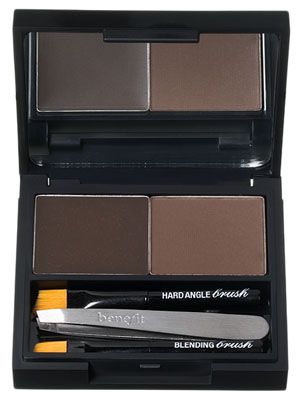
benefit-browzings-kit
Benefit Brow Zings Shaping Kit

I spent most of last year making up for this with Benefit Brow Zings Shaping Kit, which is a wax and powder combo.  It ‘s a great cheat product, which I highly recommend.  However, I wear substantially less make-up these days and there are times I want the groomed look without having to reach for the make-up bag, so I even started to look into eyebrow implants. Yep, who knew such a thing existed?! Honestly, there’s a procedure for everything these days!

Not convinced I wanted to go down the needle route (it seemed quite drastic), I parked the idea for a while.  It was during this time I stumbled across a post on instagram by George Northwood (a salon I lust after) on a new eyebrow service.  On impulse, I booked myself in and am so glad I did.  With simple tweezing and tint, a wonderful lady called Magda gave me back the brows I use to have.  Moving away from the rounded shape that threaders tend to navigate to (unless you tell them otherwise), Magda worked with my natural arch.  Plus, the addition of a tint gave the illusion of fullness without any product.  Overall, it was natural and lifting.  People commented on how well I looked, unable to pin-point what had changed – now that’s what a good eyebrow job is suppose to do!

348

Magda also used an Eyeko pen to give that added fuller affect.  I never thought of using a pen before, it lightly colours the skin on any patchy areas and gives a lighter affect then the pencil I was use to.  Using product is particularly good on make-up days, to complete the overall look.  However, once home, I personally didn’t have a great experience with this Eyeko product.

After one use, the pen dried out. I returned it, got a replacement and it happened again.  This time it was explained to me that I shouldn’t use the pen on a brow covered in face powder or foundation – that I need to clean the brow with a cotton bud before applying.  That made sense, so off I went – with the same replacement pen, which I haven’t used since as it’s still dried out.  I always ‘click’ the cap back on and keep it in it’s original box out of sunlight, so I’m quitting with this particular brand and back on the hunt for another pen.  Any recommendations welcome.  In the meantime the shape and tint alone is strong enough without an additional product, so I’m in no mad rush.

If you’re starting to think about personal grooming again, or want a little pick me up for the festive season, my advice is to start with an eyebrow session.  Seek out a local beauty therapist who will take the time to sit and talk with you, tell them your story and what you’re after. It’s their job to know the best brow shape for your face, so let them advise you here. If you’re not happy with what you come back with, move on to the next salon until you find the right one.

A good indicator of the beauty therapist’s work is her own eyebrows.  If they are over-plucked / over made-up / too dark, make your excuses and get outta there.

If you are in the London area, I highly recommend Magda at George Northwood.

Address: 24 Wells Street, London, W1T 3PH

Tel: 020 7580 8195

Talking of which, I’ve got to love you and leave you to scoot over there now for my very own appointment.

Lulu xx

Dry Brushing: Helping your body detoxify after treatment

I’ve been an avid dry brusher for 18 years.  In fact I’m a little evangelical about it, to the point where I nearly bought everyone a dry brush for Christmas a few years ago.

It’s as embedded into my morning routine as brushing my teeth, and only takes a couple of minutes.

You may find the feeling a little weird at first, stick with it, start with a couple of mornings a week and build up from there.  I do it every morning, but during the first year of recovery and even now when I’m not well, I try to up it to twice a day – morning and evening, to help my body as much as I can.

If you’ve just finished chemo, your skin may be highly sensitive and this will be too painful for you right now.  It’s a brilliant technique for recovery, so I urge you to give it a go – if it is too painful, put your brush aside and pick it up again in a months time.  Try it each month until the sensitivity has gone.

So what is the benefit of adding another 5-10 mins to your morning routine?

Dry brushing helps our largest organ – our skin, in its detoxiying process.  And since you are carrying all those treatment toxins for a year after you finish, it would be great to give your lovely body an extra helping hand – it has a lot of work to do.

Since we can’t look at our insides on a daily, weekly basis, our skin is the perfect indicator to what’s going on in there.  It shows us which organs need help and what they need.  After chemo and / or radio therapy, your blood, lymph and cells have all been zapped of goodness, and your organs are under lot of pressure to clean up the show and rejuvenate.  Part of this showing on the outside is your skin looking sad & dull and spots all over the place – we’ll talk about what spots mean next week.

  • Dry brushing helps shed dead skin cells, which not only encourages new cell renewal but it helps smooth and brighten the skin.
  • As with all types of exfoliation, when you rid the dead skin cells, your skin is better able to absorb moisturisor.  You’re probably moisturising all day every day post treatment as your skin is thirsty and dehydrated as hell – dry skin is another sign of the body detoxifying itself.
  • The brushing motion helps improve vascular blood circulation, lymphatic drainage and release toxins. Yeahi ! We want those poisons out of our body as quickly as possible.
  • Another thing to get excited about is that it helps strengthen the immune system.  It does this by stimulating the lymph vessels to drain toxic mucoid matter into organs of detoxification so we can purify our entire system.
  • The rough bristles stimulate the nerve endings in our skin, in turn stimulating our nervous system. It’s the sensitivity in our nerve endings post chemo that may make this a little painful at first.
  • After all those toxins and poisons, I bet your cellulite has hit a depressing new level.  Alongside other means, dry brushing also aids reduce the visibility of those toxin dimples.  The technique increases the blood flow, which moves the toxins to other detoxifying organs and lessens the appearance of cellulite on the top layer of the skin.

How you do it:

  • Get naked!
  • Start on dry skin before bathing – no water, hence ‘dry’ brushing.
  • Starting at your feet, take your brush and gently work it in gentle circular motions upwards.
  • After you’ve finished with the ankles, move up to the lower legs, thighs, stomach, back and arms.
  • On your limbs move the brush in long, smooth, gentle strokes.  Starting from the bottom of your feet upwards, and from the hands towards the shoulders, and on the torso in an upward direction help drain the lymph back to your heart.
  • Please be careful of any post surgery scars, it’s best to avoid this area for about a year until the skin is less raw.
  • Also, be super light on more sensitive areas where skin is thinner, such as your breasts.
  • That’s it! Super quick, super easy.
  • You’re now ready to step into the shower and wash away all those dead skin cells.
  • Finish this lovely routine with a layer of moisturisor.

Tips:

  • When I have time, I focus a few more additional minutes to my cellulite and up the pressure on the thighs and buttocks.
  • There were days during and immediately after treatment where my skin was so sensitive that even water from the shower hurt.  This does eventually go and when it does, you can add another little routine to your shower, which alongside the dry brushing invigorates the skin and stimulates blood circulation.  Dry brush, wash as normal, then finish your shower by ending it with three hot and cold cycles.  By this I mean turning on the water as hot as you can take it for several seconds, then as cold as you can handle it, then hot, then cold for three cycles.
  • Rinse your brush with warm water at the end of each week and dry it in the sun or on a radiator to avoid it getting mouldy.

Types of brushes:

  • Always go for a natural bristle bath brush – stay away from anything synthetic.
  • There tends to be two types:
No Handle
Long handle

I always go for the long handle version as it helps me reach my back.  It’s also a good idea in early days of recovery where you can’t bend down too much.

My personal favourite is a long handled cactus bath brush from The Body Shop at £10.

Be careful:

  • If you are recovering from skin cancer, please seek medical advice before trying this.
  • Do not use the brush on broken skin, rashes, or anything infectious.

Happy brushing!

Lulu x