I woke up today with a whopper spot on my nose (I’ll spare you a photo on this occasion), which reminded me, I promised you a post on how to read facial spots, commonly known as ‘face mapping’.
Stuff going on inside us will eventually start showing on the outside. Learning to read these signs helps us identify which organs are distressed and need a bit of TLC at that moment in time.
Acne face mapping stems from Chinese medicine and developed by dermatologists over years. This is to be used as a guideline only and may not apply to everyone in every instance. If for example you get a spot by your ear lobe, it doesn’t necessarily mean there’s something wrong with your kidneys. There are other factors that could be responsible, for example, skin care products, make-up, make-up brushes, hygiene, hormones, allergies, medications and genetics.
For me, most of the past few years were a case of connect the spots, and as long as my body needed help healing inside, there wasn’t any magic cream or procedure that could fix the outside. There are however cheat products to help you ‘fake it till you make it’, which I will share with you over time.
Now that my body is absorbing nutrients again, it’s showing in my face. But as soon as I take my foot off the gas or start to feel run down, like this week, it’s right there in the mirror.
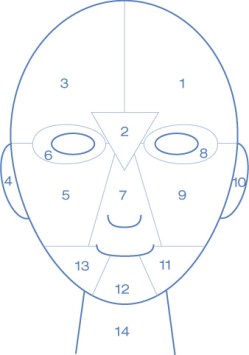 This is a face map and an outline of what it means when we experience an outbreak within each zone, especially if re-occurring. I have gone on to give top-line advice on foods and tips to help.
Zones 1 and 3 : Bladder and Digestive System
Breakouts around the forehead could indicate that your digestive system is struggling to breakdown food being consumed.
Zone 2 : Liver
This could indicate food intolerance’s or a distressed liver.
Tips for zones 1, 2, 3 and 12.
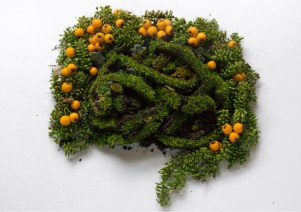
- Cut out / reduce your alcohol consumption as much as possible.
- Please also cut out fizzy drinks, they are pure poison and offer no benefits.
- Reduce too many dairy products. Switch to skimmed / semi-skimmed milk or have some fun trying dairy free alternatives: Oat milk / Almond milk / Rice milk / Coconut milk / Soya milk.
- Reduce refined sugars as much as possible.
- Drink plenty of water to flush out toxins.
- Replace as much of your caffeine as possible with herbal teas.
- Try and cut out junk food and fast food from your diet as much as you can: fatty foods, like burgers and chips, are harder to digest. By reducing these types of foods, we’re offering our digestive system an easier time as it won’t have to work as hard.
- If, like me, the spots are part of a bigger digestive problem, speak to your consultant / doctor for recommended pro-biotics. But please stay away from the pro-biotic drinks found in supermarkets offering big claims (which they don’t deliver) and way too much sugar.
- Do a little bit of light exercise every day or every other day. Even if it’s a walk around the block, the fresh air is also another benefit.
- Practice relaxation / meditation / breathing techniques to alleviate stress and worry.
- Foods that help the digestive system: The two things that helped me the most and advised by medical professionals were natural yoghurt’s, which offer natural pro-biotics (avoid the ones loaded with sugar and flavouring, it’s better to add your own fruit and honey) and secondly fresh mint. Other foods for healthy guts are beans and pulses for much needed fibre, oily fish like salmon / mackerel and ginger,
- Foods that help the liver: Let’s start with my personal favourite, beetroot, yum! And in no particular order, tomatoes, spinach, carrots, grapefruit and all other citrus, dark greens, turmeric, cruciferous veg (broccoli, cauliflower, sprouts, kale), garlic, walnuts, avocados, apples and green tea.
Zones 4 and 10: Kidneys
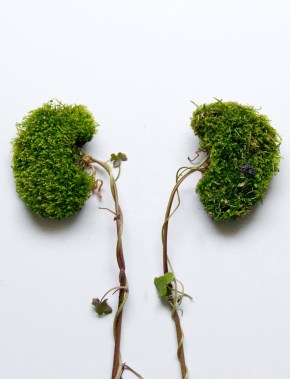
- Lots and lots of water, unless you have kidney disease, in which case you may not need as much, because damaged kidneys cannot get rid of extra fluid as well as they should. Your doctor will be advising you on your water intake in this situation.
- Reduce your salt intake.
- Foods that help the kidneys: Lemon juice (I try and have half a lemon in hot water every day as a matter of course), apples, pumpkin seeds, all the berries, ginger, watermelon, turmeric, dandelion, nettle, marshmallow root and lastly, one of the biggest helps to our kidneys is parsley.
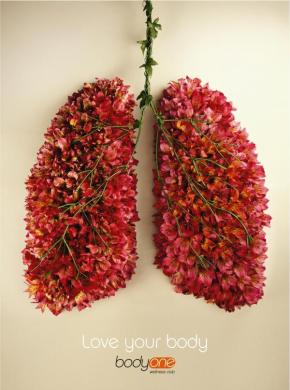
Zones 5 and 9: Respiratory System and Allergies
Tips for zones 5 and 9.
- As mentioned before, avoid fast food, junk food and refined sugars.
- Get some fresh air. Our lungs are at their strongest between 7-9am, so this is the best time for that little walk.
- If you’re smoking, think about quitting. It may have been too big a feat to quit during the fighting stages. One thing at a time, and now’s a good a time as any. Recovery is as about moving forward and leaving behind our unhealthy habits.
- If you’re prone to allergies, avoid shellfish, eggs, peanuts and red wine.
- Reduce too many dairy products. Switch to skimmed / semi-skimmed milk or have some fun trying dairy free alternatives: Oat milk / Almond milk / Rice milk / Coconut milk / Soya milk.
- Foods that helps the lungs: apples, garlic, flax seeds, chicken soup, green tea, cruciferous vegetables (broccoli, cauliflower, cabbage, kale, sprouts) ginger and wheatgrass.
Zones 6 and 8: Again, the kidneys
Dark circles can be an indication of dehydration. Cut back on the caffeine and up your water intake.
Zone 7: Heart
 Tips for zone 7:
- Decrease your intake of spicy foods.
- Cut down on meat.
- Get some fresh air.
- Foods to lower cholesterol: Replace “bad fats” with “good fats” such as Omegas 3 and 6 found in nuts, avocados, fish and flax seed.
Zone 12: Stomach
This may be an indication that you need to increase fibre levels in your diet. See above.
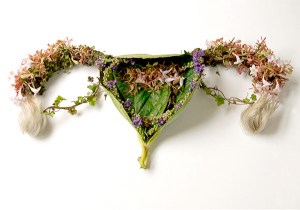
Zones 11 and 13: Hormones
Part of the joy of monthly menstrual cycles I’m afraid. You may be able to reduce hormonal breakouts with some of the tips below during the week leading up to your period.
 Tips for zones 11 and 13:
- Try to regulate sleeping patterns, which I appreciate is near impossible for a long time after treatment.
- Increase meditation therapy techniques, whether it’s yoga, meditating, listening to music, writing, painting.
- Massage your body for relaxation, particularly the abdomen.
- Foods that help with hormones: Omega-3 rich foods (salmon, mackerel, walnuts, flax seeds, sardines, soy beans), coconut oil and other coconut products, avocados, egg yolks, nuts and seeds, dark green veg, starchy veg (sweet potatoes, squash, beetroot, artichokes, butternut squash,turnips), turmeric, cumin, cayenne pepper, garlic and ginger.
Zone 14: Illness
Breakouts on the neck tend to be an indication that your body is fighting bacteria to avoid illness.
Tips for zone 14:
- There’s not much to do here. Spots along the neck down to the chest are common throughout treatment, illness and recovery.
- Integrate this whole area in your nightly cleansing and moisturising routine.
- Don’t try and dry this area out with witch hazel and other astringents, instead, moisturise it with face oils at night after cleansing.
- Pay attention to daily hygiene.
- Try and wear lower cut tops when at home to let the skin breath.
- Oh and try the lurgie drink I talked about last week, this is great at tackling any bacteria connected to colds and flu.
Other causes and general tips:
If your outbreaks are severe and regular, keep a daily food diary to see if it’s related to certain food groups. Take it along with you to your doctor and ask for a referral to a dermatologist.
Wash make-up brushes, sponges and applicators on a regular basis using tea-tree oil to kill bacteria. Make-up and creams expire, have a little clear out.
Clean phones and mobiles with alcohol wipes.
You’re probably spending a lot of time in bed, try and change your linen more often, especially the flat sheet and pillow cases . This is a great job to offer those visitors who want to help, as it can be quite a big job on the bad days.
Not only could you be reacting to the lotions and potions you put onto the skin, but also consider your shampoo, conditioner and styling products.
Greasy hair touching the face could lead to spots, use jaw clips and hair ties during periods where washing hair is just too much. If you’re getting spots along the forehead with a fringe, try pinning it back for a while and see if that helps.
Cleanse / wash your face every night, even if you’re not wearing make-up or haven’t been outside.
Also, if you’ve taken the advice of the previous post and invested in a hat, this could lead to spots on the forehead with over-wear / bacteria build up. Don’t wear your beanies indoors and clean the inside of hard hats.
Happy health,
Lulu x
 The Cancer Style Guide